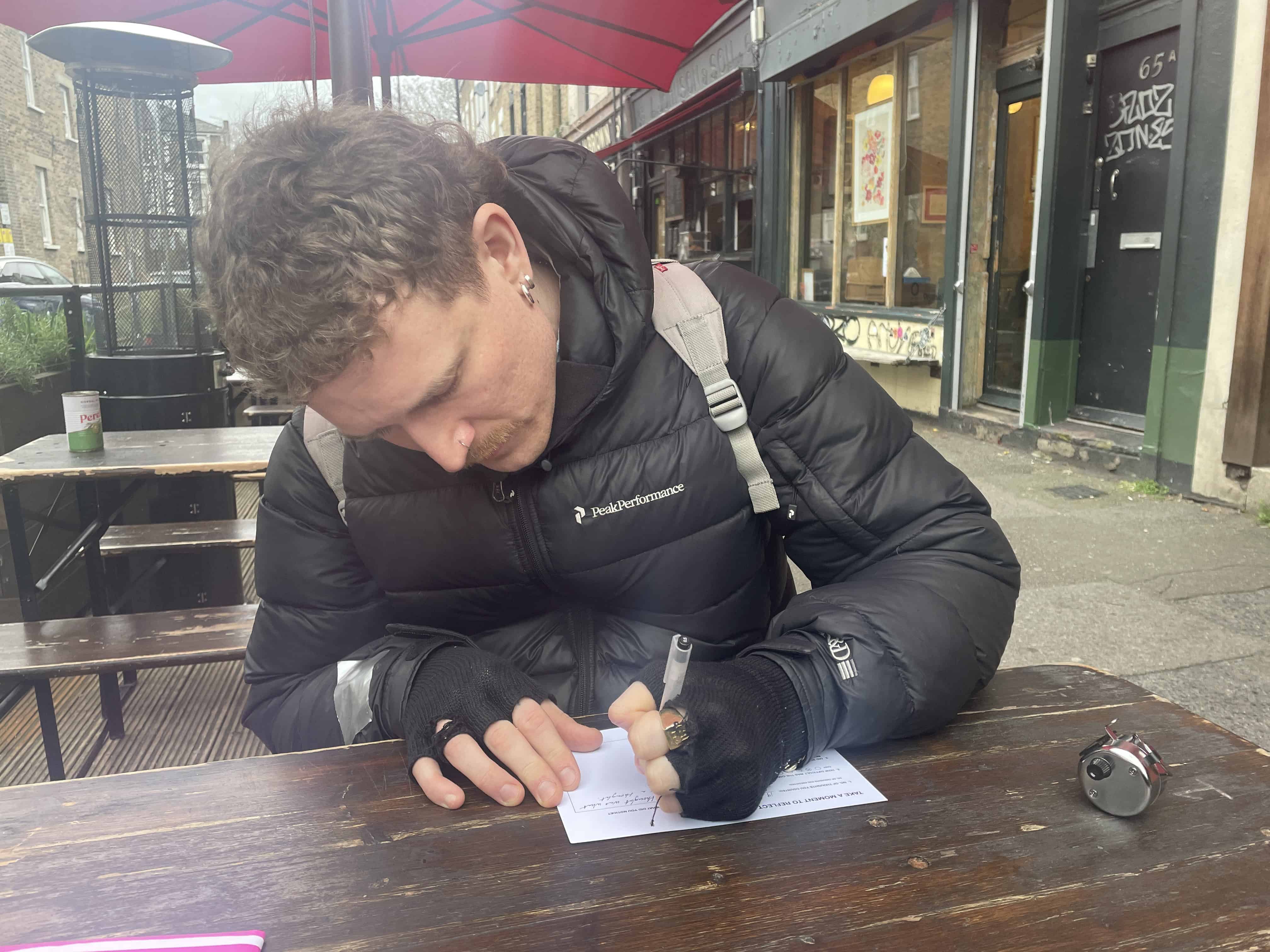
I’ve run the investigation tests with 8 people in the last couple of days. Here’s what I’m noticing – both from their responses and from being honest with myself about what’s working and what isn’t.
What I’ve noticed
- The gap between predicted & actual thoughts doesn’t land as an insight. I assumed the gap would be an “aha” moment, but people seem to just accept it and move on.
- The most interesting material comes from the open response. “In your own words, what did you notice?” Everything else is secondary to that.
- Every response to ‘did you notice thoughts arising automatically?’ was ‘yes’ or ‘in some ways.’ Everyone noticed they’re not in control of their own thinking – without being told to look for it.
- Some people overstate their meditation practice. Almost everyone says they meditate regularly. However, it’s clear from some responses that some don’t, and I believe they say yes because it feels like the right answer.
- There are insights, but no bridge to action… I’m not giving anyone a prompt or a next step. I removed the ‘want to learn more?’ question because it felt leading, but the appetite is there – it just needs framing differently.
- ‘What counts as a thought?’ keeps coming up, despite the instructions. That’s an insight in itself – the question is the noticing.
Standout participant responses
- “As soon as I focused on the amount of thoughts rather than their content, the mind slowed down.” – the subject/object split described perfectly by one participant.
- “Everything was in the present. No past, future or anxieties.”The process of being aware of my thoughts was very meditative” – from someone who only meditates sometimes.
- “This exercise allowed me to be more focused and to refresh my thoughts.” – Magda, who predicted 3 thoughts and counted 20.
- “I noticed all my thoughts were to do with my surroundings!” – the simplest response but a genuine noticing from someone who doesn’t meditate.
What’s working and what’s not in the survey
Working:
- Predicted vs actual thoughts counted – useful as data, but not generating participant insight
- “Did you notice thoughts arising automatically?” – this is generating useful responses
- Open response (“what did you notice?”) – the strongest question by far
Not working:
- “How difficult was the counting?” – not generating useful data or insight
- “Did this change how you relate to your thoughts?” – too big a question for 60 seconds. I think people say yes to be polite or “not sure” if being honest
- “What % of your thoughts were negative?” – doesn’t produce useful data as most people tick 0-25% and move on. It also gets people thinking/analysing their thoughts rather than noticing them
- “Do you have a regular meditation practice?” – yes/sometimes/no is too blunt and people overstate
Updated questionnaire
It has fewer questions and less analysis but more space for the experience. The final question “Will you try noticing your thoughts for 1 minute tomorrow?” is specific, time-bound and it’s a personal commitment rather than an opinion.

Old version:

Next steps
I’ll test the updated questionnaire with 10 new participants and will do the same exercise – reflecting on the responses and what’s working, what isn’t.
Leave a Reply